Gluten intolerance and celiac disease: differences, curiosities and kitchen solutions
When talking about gluten intolerance and celiac disease, the two terms are often confused and treated as synonyms, but the difference is substantial and important to clarify, also for a correct diagnosis. Celiac disease is in fact a real autoimmune disease that requires those who suffer from it to follow a strict gluten-free diet for life. It has a reference Italian association, Aic and the National Health Service (SSN) recognizes it as a chronic condition that entitles patients to specific exemptions and benefits. Gluten intolerance, instead, implies a sensitivity to this protein complex without a defined autoimmune reaction and does not cause permanent damage to the intestine. Gluten intolerance, therefore, can be a temporary disorder with symptoms similar to celiac disease, but less severe and of a different nature.
Two different diagnoses
The diagnosis of the two conditions is also different: celiac disease can be identified precisely through scientific tests such as blood tests for specific antibodies and biopsy of intestinal tissue. As for gluten intolerance, there are no specific and rigorous tests to identify it; instead, diagnosis often relies on excluding other conditions and on the response to a trial gluten-free diet.
To summarize the key points:
- Gluten intolerance and celiac disease are often confused, but they are two different conditions: intolerance is generally less severe and may be temporary, while celiac disease is a permanent autoimmune disease.
- The symptoms of gluten intolerance, such as abdominal pain and fatigue, are similar to those of celiac disease, but they do not cause permanent damage to the intestine as happens in celiac disease, where the intestinal lining is seriously compromised.
- Diagnosing celiac disease requires invasive procedures such as biopsy, while gluten intolerance can be assessed by excluding other conditions, making its diagnosis more complex and less precise.
The situation in Italy: data and curiosities
In Italy, it is estimated that about 1% of the population is affected by celiac disease, which corresponds to about 600,000 people. However, as of 2022, official diagnoses stood at 251,939, indicating that a significant percentage of cases remain undiagnosed. This disease is more common in women, who account for about 70% of diagnosed cases.
It also affects numerous famous people from entertainment and sport. For example, Italian actress Laura Torrisi made public her experience with celiac disease, sharing the challenges and strategies she adopted to manage her diet. In sport, former prop for the Italian national rugby team, Martin Castrogiovanni, has spoken about living with the disease, highlighting how an appropriate diet allowed him to maintain high athletic performance.
As for non-celiac gluten sensitivity (NCGS), prevalence estimates vary widely due to the lack of standardized diagnostic criteria. Some studies suggest it could affect up to 12% of the Italian population, but these data still need further confirmation.
Nutrition and a gluten-free diet: it can be done!
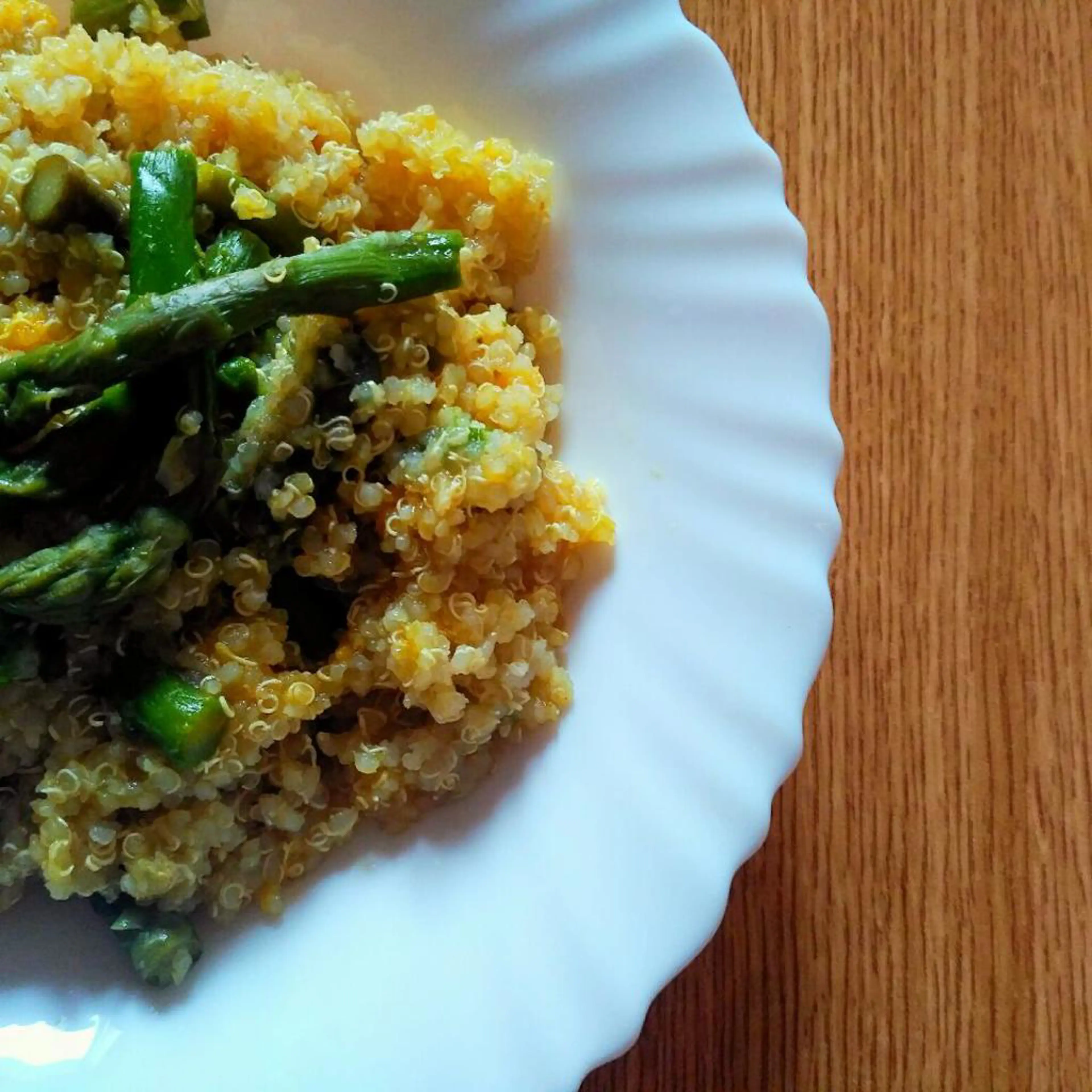
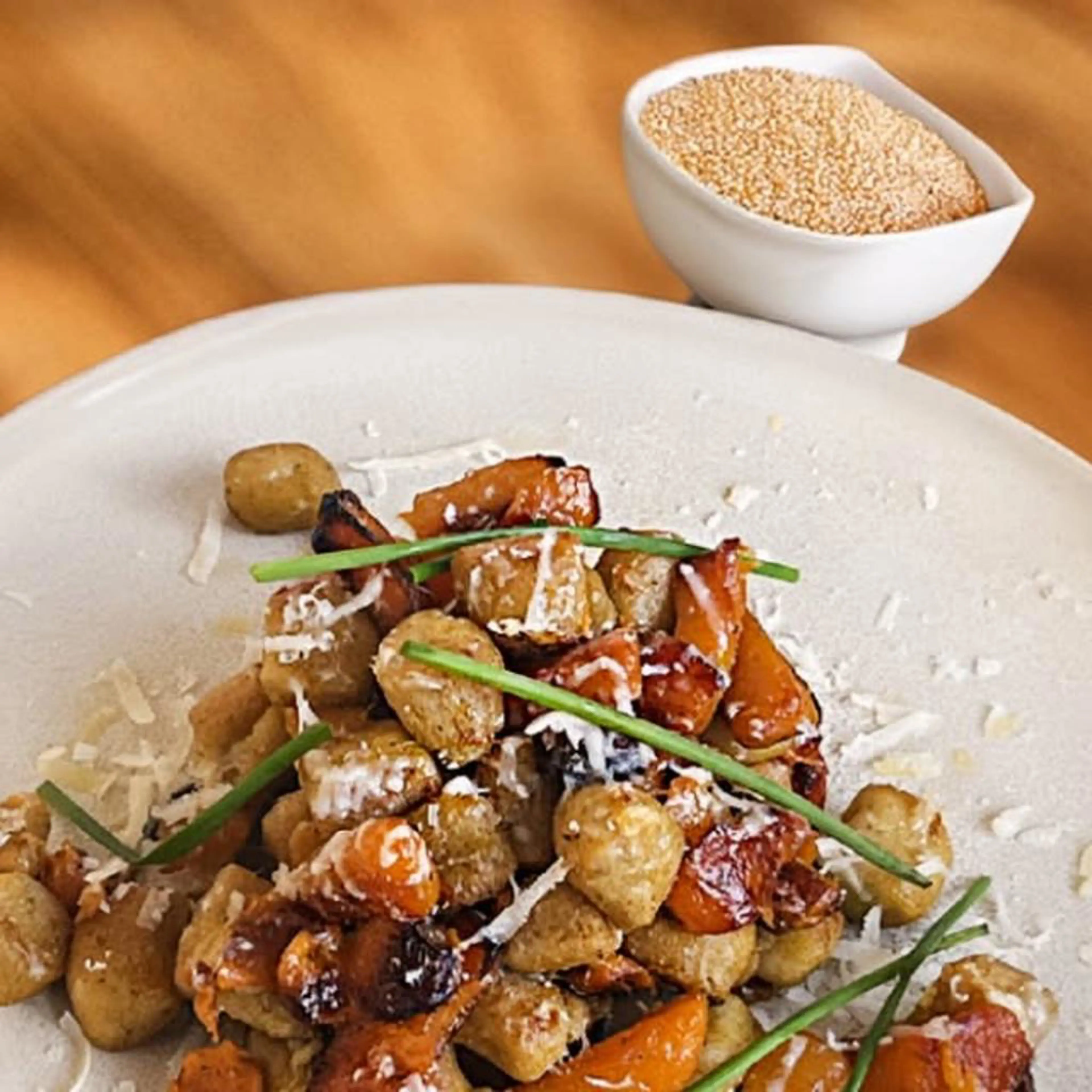
A gluten-free diet must exclude cereals containing gluten such as wheat, barley, rye and derivatives (flour, bread, pasta, biscuits, etc.), but it can include numerous naturally gluten-free foods such as rice, corn, quinoa, buckwheat, amaranth, millet, teff, sorghum, certified gluten-free oats. Protein sources such as meat, fish, eggs and legumes are naturally gluten-free, as are dairy products, provided they do not contain risky additives. Fruit and vegetables can be eaten freely, preferably fresh and unprocessed. Healthy fats, such as extra virgin olive oil, butter, nuts and seeds, are also an excellent choice. As for drinks, there are no particular restrictions: water, tea, coffee and natural fruit juices are fine, while for plant-based drinks it is better to check that they do not contain additives derived from gluten-containing cereals. No, instead, to traditional beer (it contains barley malt), sauces thickened with forbidden flours, some cured meats and uncertified industrial products.
Essential precautions
There are, however, important differences between those who follow this diet because of celiac disease and those who do so because of intolerance. People with celiac disease must be much stricter: even tiny traces of gluten can cause intestinal damage, so it is essential to choose certified products and pay attention to cross-contamination, both in packaged foods and in meal preparation. This means, for example, not using utensils that have come into contact with gluten and carefully checking product labels. Those with gluten sensitivity, instead, may have greater flexibility. Since there is no autoimmune reaction, the diet must be adapted to individual tolerance: some people need to eliminate it entirely, while others can take in small amounts without particular problems. The issue of contamination is also less strict than in celiac disease, although it is still advisable to avoid it to reduce symptoms.
Alternative solutions and ingredients
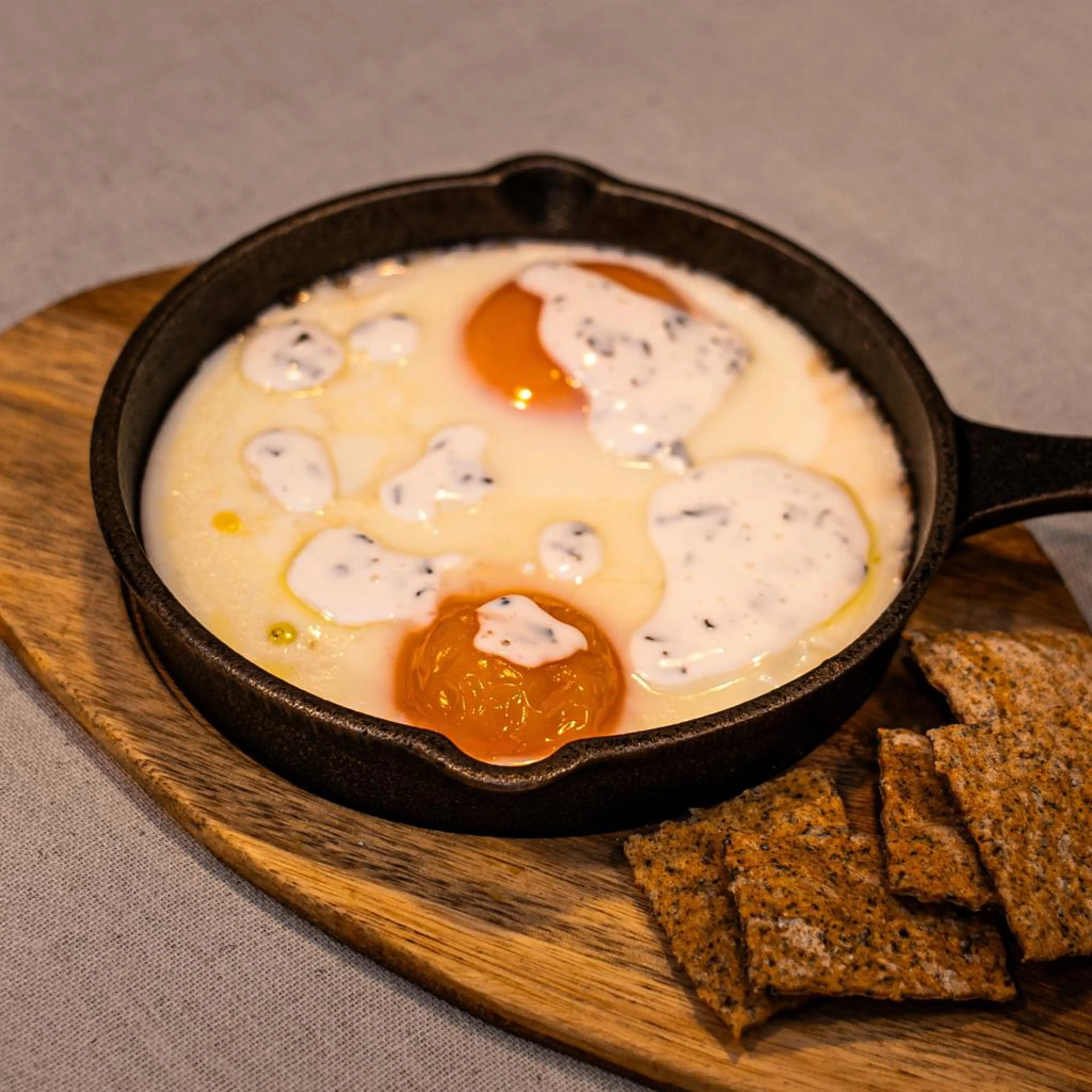
Dietary restrictions, especially compared with a few decades ago, are no longer an insurmountable obstacle, not least because gluten-free products are becoming increasingly available in supermarkets and specialized stores, whereas in the past they were found almost only in pharmacies (and were not exactly great in terms of taste). Today, in addition to a network of dedicated outlets, there are many mass-market brands offering a wide range of foods, from cereals to sweets, suitable for this type of diet. For those who eat gluten-free, home cooking can also turn out to be a positive and creative experience. By using alternative ingredients and specific products, such as rice, corn or buckwheat flour, it is possible to prepare tasty and varied dishes while maintaining a balanced and healthy diet. Would you like to try some excellent gluten free recipes for your taste buds and your figure? Check out those from our expert food creators below!😊
No recipes found
We couldn't find any recipes matching your search criteria. Try modifying the filters
Appetizers
Explore






Breakfast
Explore





Condiments
Explore

Desserts
Explore




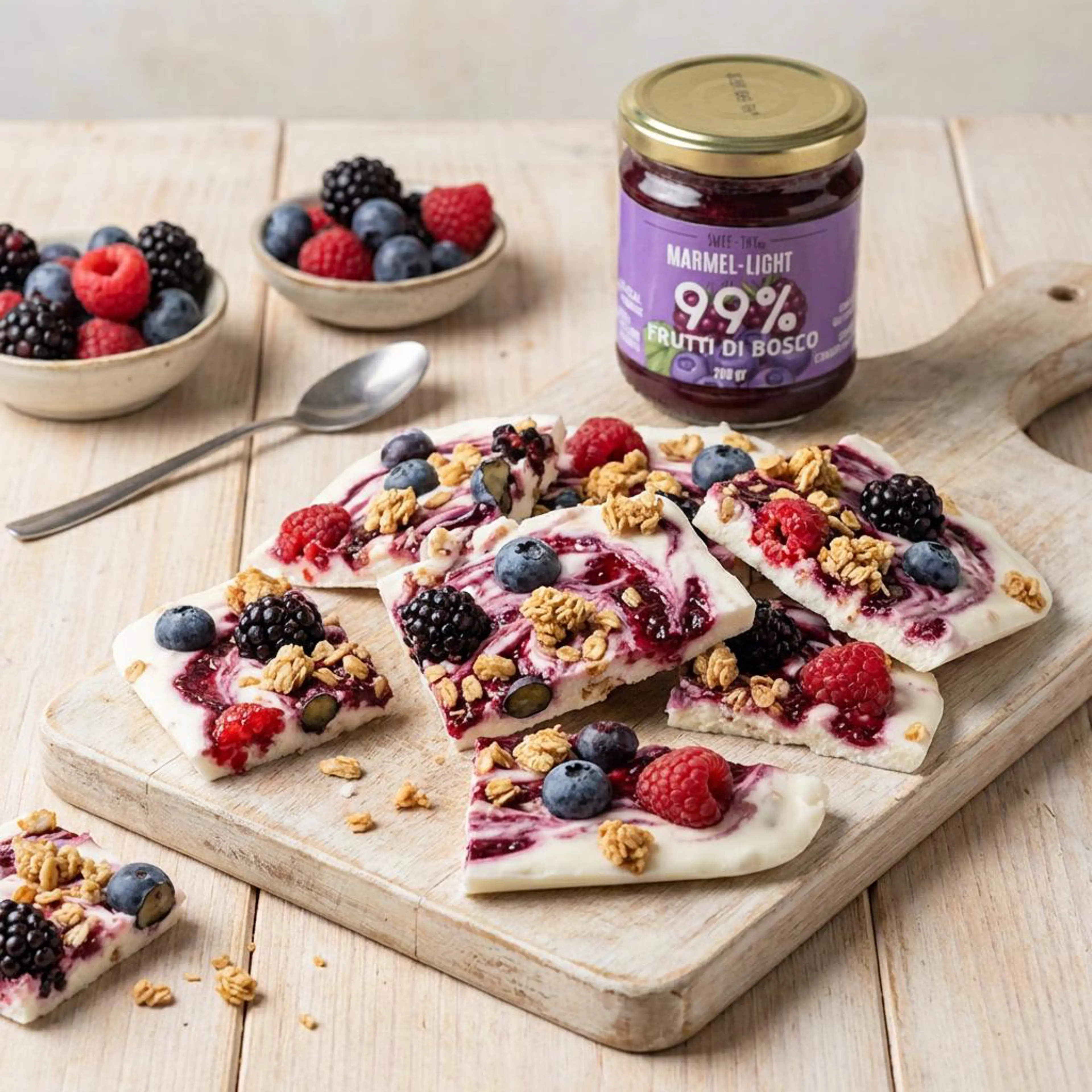

Drinks
Explore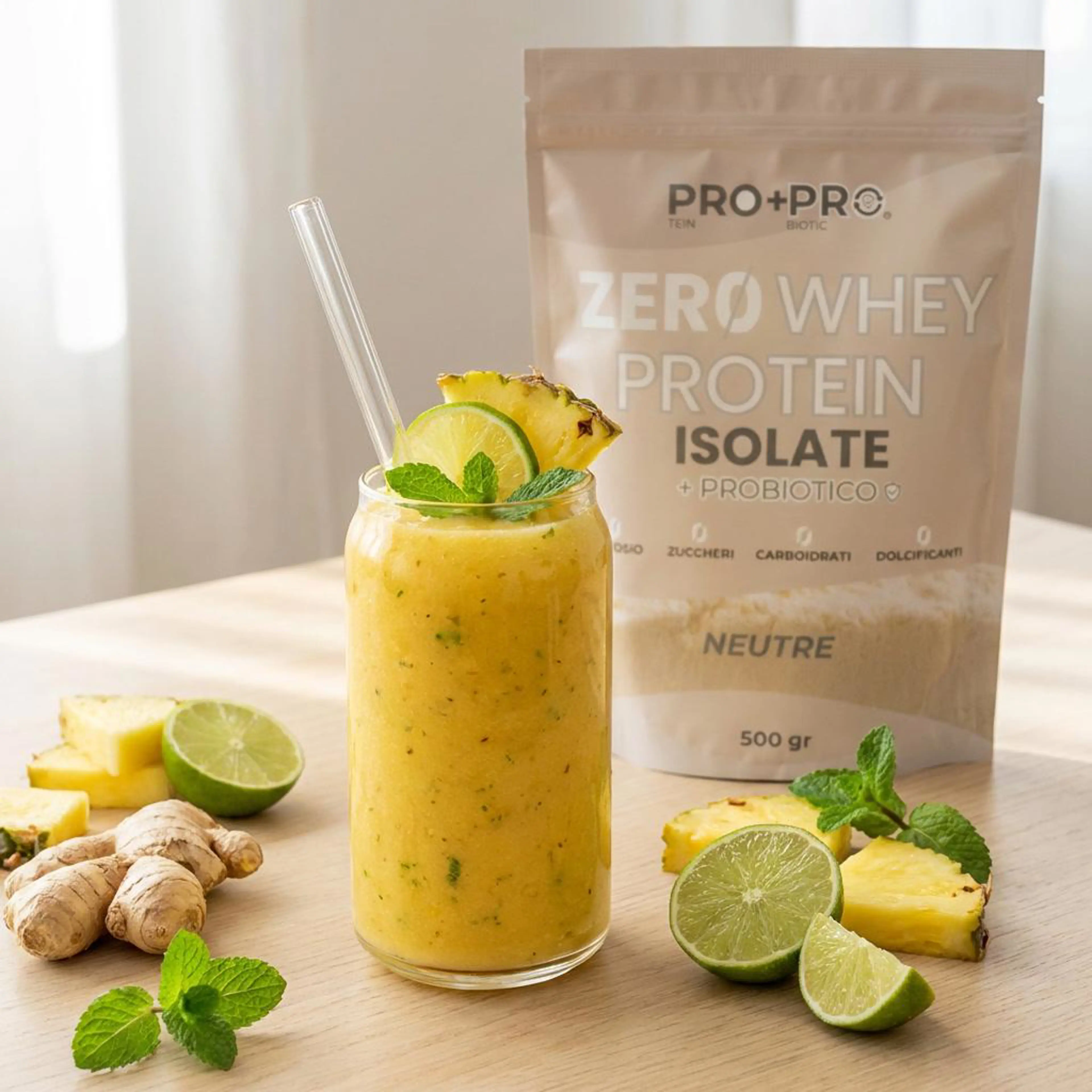



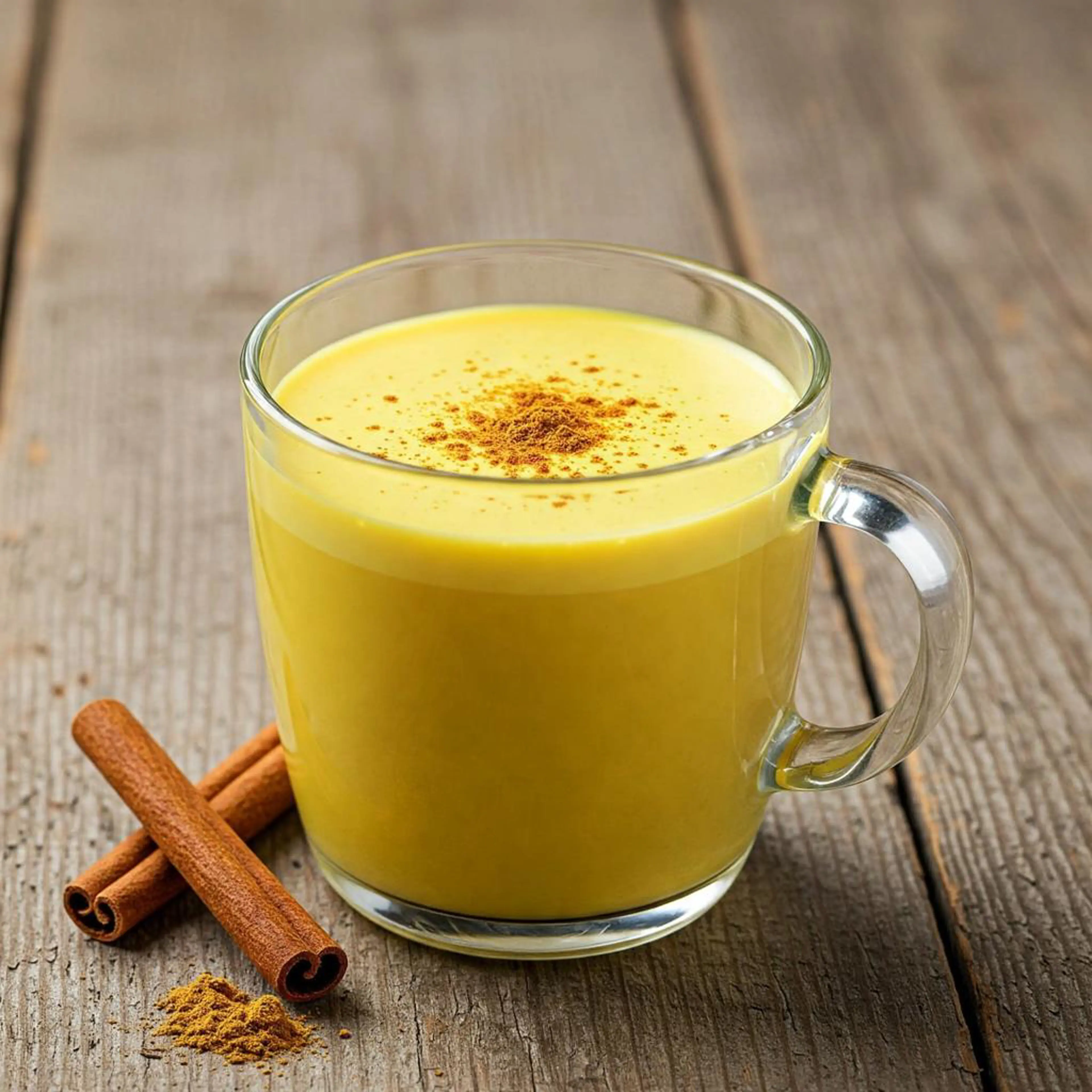


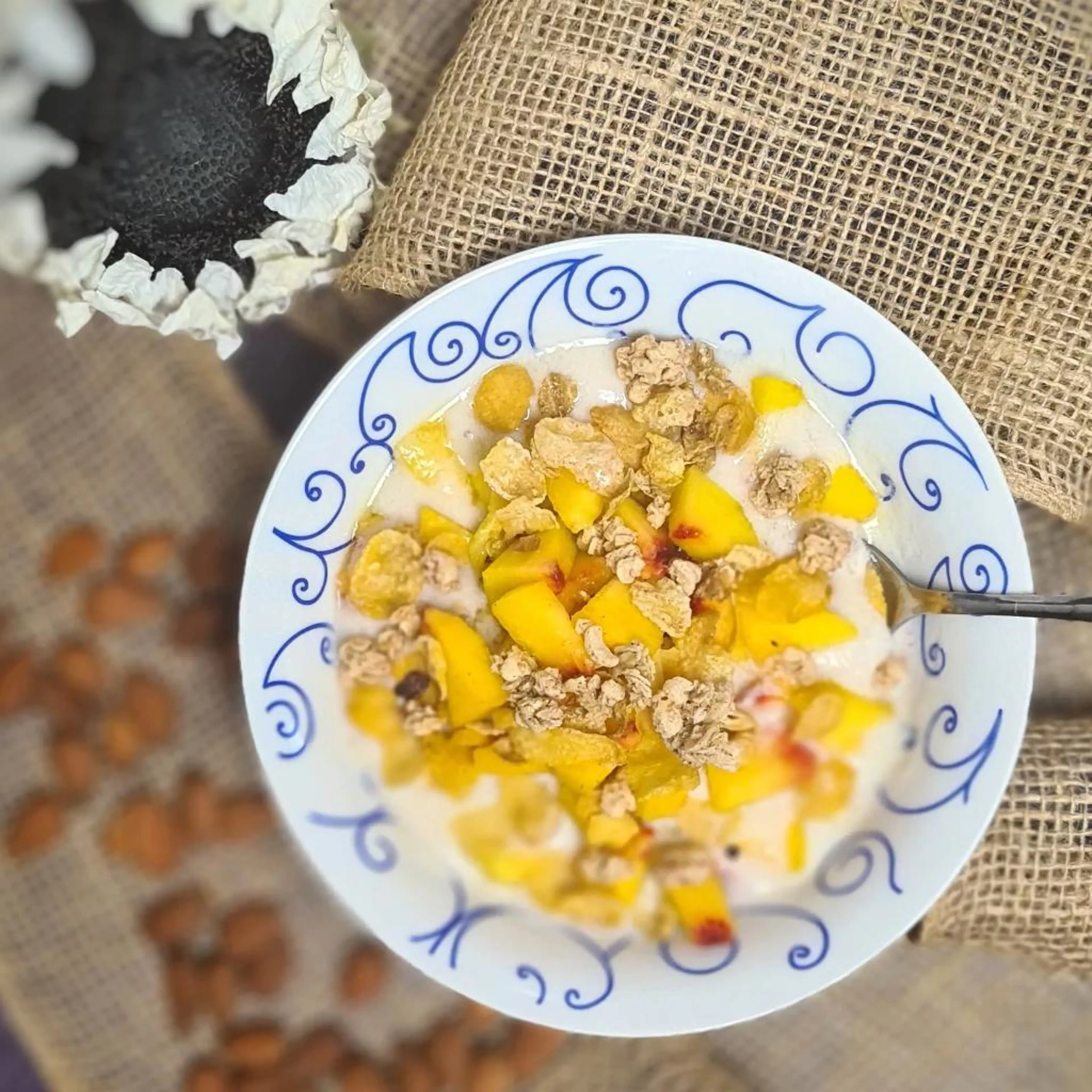

First courses
Explore



Main courses
Explore





Mains
Explore


Sauces
Explore

Savory pies
Explore
Side dishes
Explore




Yeast-based
Explore