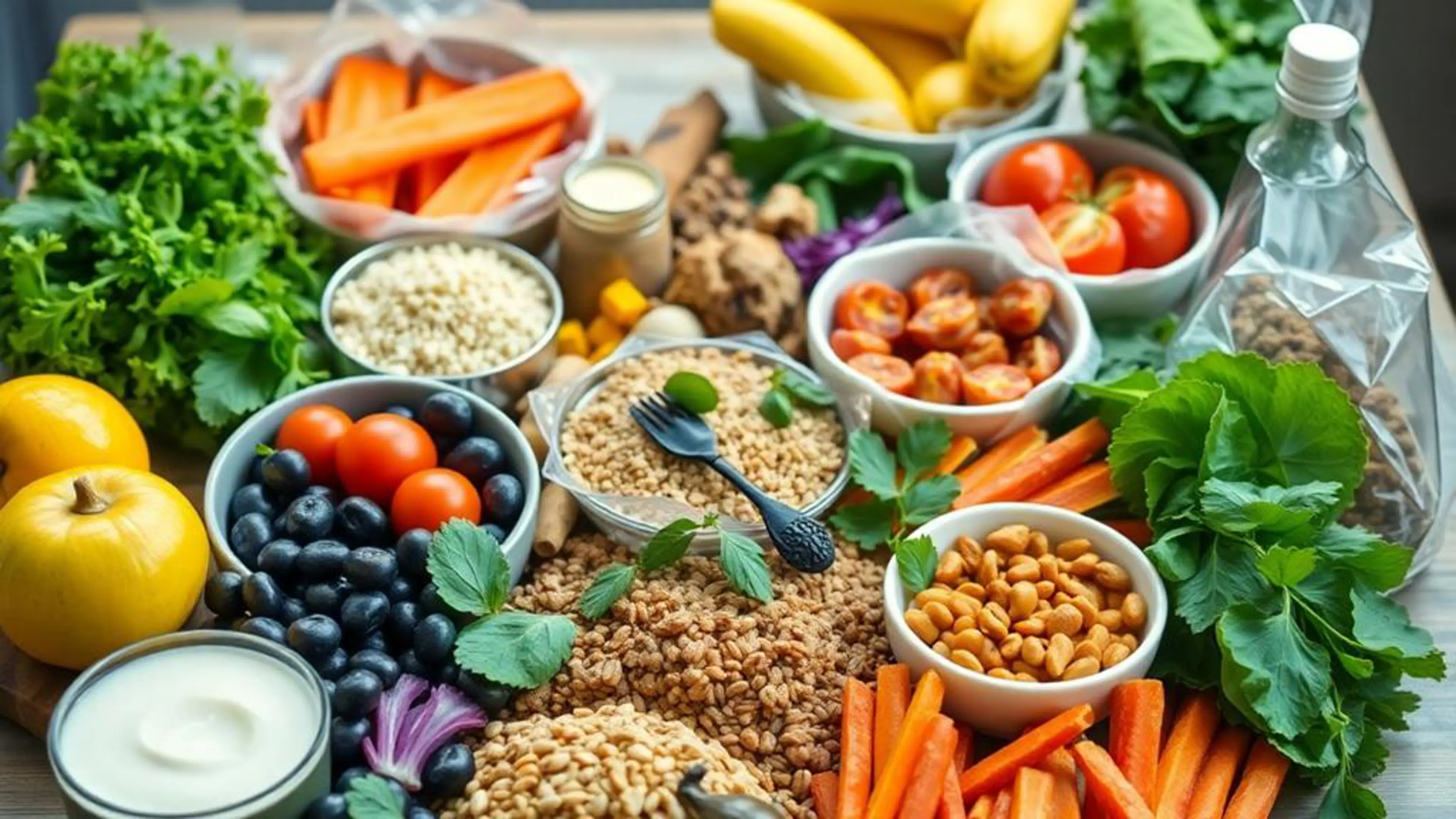
In a world that is increasingly attentive to diet and sustainability, vegans adopt a diet that completely excludes foods of animal origin, such as meat, fish, milk, and eggs. Unlike vegetarians, who in simplified terms do not eat animals, vegans also avoid products derived from their breeding, which in many cases they themselves consider a form of exploitation. This approach is therefore usually driven by ethical motivation, but also by other reasons related to personal well-being and the desire to reduce one’s environmental impact.
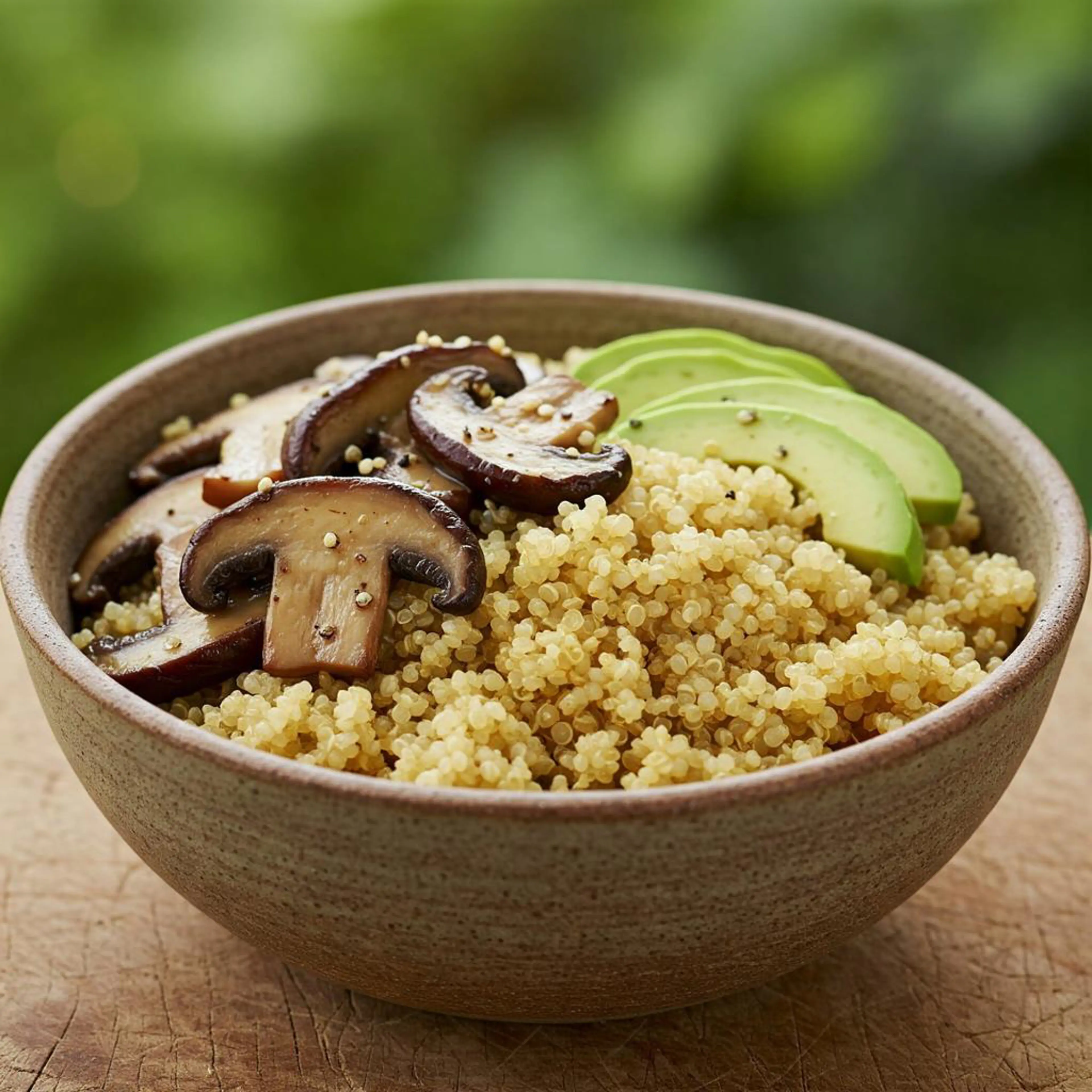
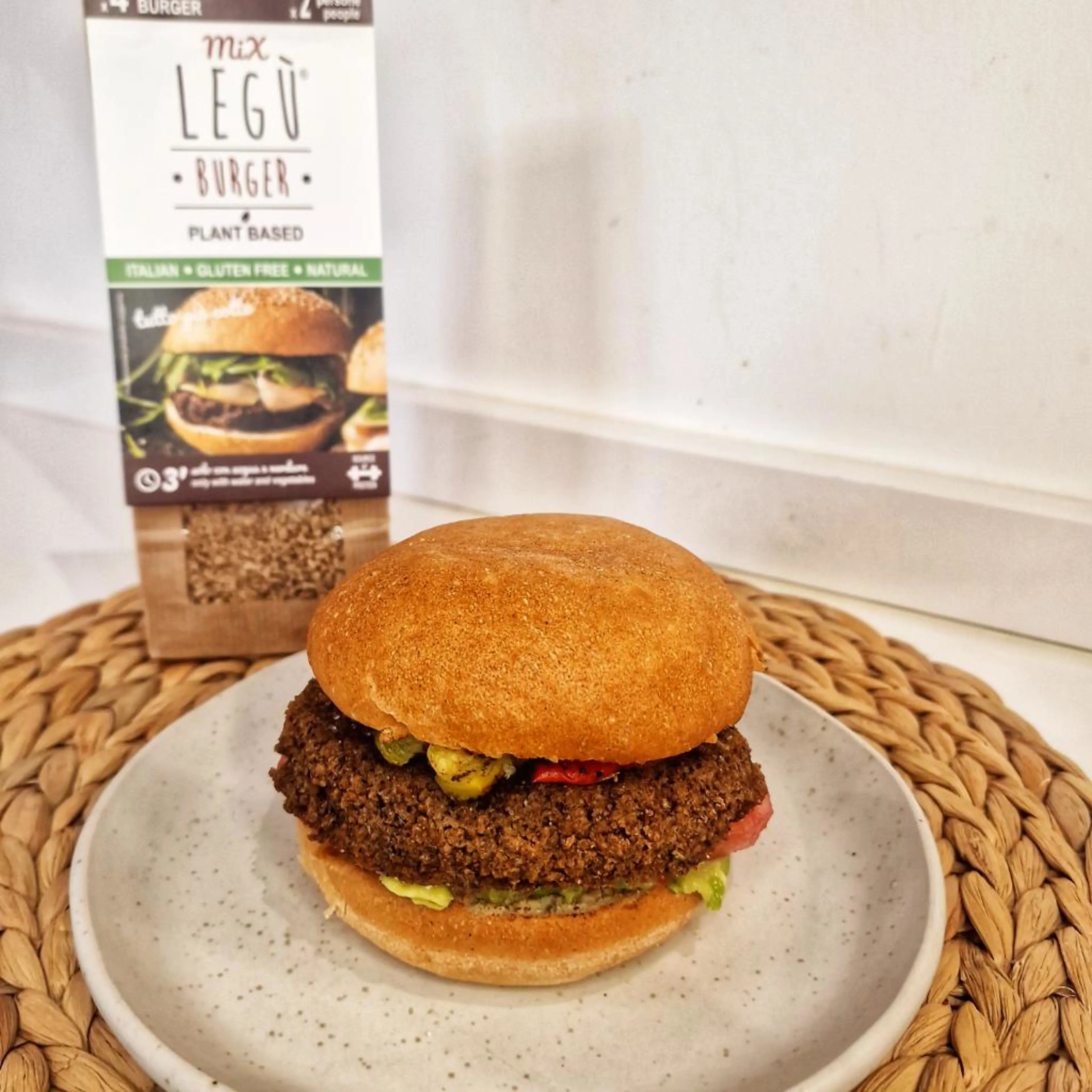
Vegans can include in their diet a wide range of plant-based foods such as fruit, vegetables, legumes, grains, nuts, and seeds. Also increasingly popular foods that have been progressively improved in terms of taste, such as tofu and seitan, provide a high protein intake with little fat, making them particularly suitable for a balanced and healthy diet. The biggest hurdle can be the sense of monotony in flavors and dishes, but with the right creativity and the right touches, such as spices or inspiration from other countries, it is not so hard to find new ways of cooking beyond the traditional pasta and beans (which, anyway, is a great classic, excellent for both taste and health).
In the vegan diet, as we said, all meats (including fish) and all animal-derived products are excluded. However, these are often “hidden” inside foods that at first glance we would not think contain them. An example? Many types of gummy candies are made with animal gelatin, which is produced from the collagen in skins and bones. The same goes for some sauces and condiments, which may contain ingredients such as honey or fish-based products. For this reason it is important not only to read labels, but, if in doubt, to check that the product has an international or national certification such as V-label or VeganOK.
As Fondazione Veronesi explains well, when it comes to vegetarian and vegan eating there is still a lot of misinformation and prejudice, both from those who practice it and from those who oppose it outright. The first thing to clarify is that simply refraining from eating meat and fish, or removing all animal derivatives from the diet, is not enough to say one eats healthily: “Our needs must be respected; it is important to know the properties and nutritional values of food well in order to use it in the best way, in the name of balanced eating,” experts stress. With a vegetarian diet it is easier not to run into nutritional deficiencies, because eggs and cheese are eaten, but mistakes can still be made, such as overdoing carbohydrates and dairy products. By contrast, in a vegan diet it is important to pay attention to possible deficiencies of protein, iron, calcium, and vitamin B12, for which supplementation through supplements or fortified foods is often necessary. It is therefore important that this dietary choice have a solid basis of correct information and proper caution, always avoiding do-it-yourself approaches, especially when at-risk groups such as the elderly and children are involved.
Provided all the above precautions are taken, adopting a vegan diet can offer some health benefits related to the high consumption of plant foods. Recent studies, such as the one published in The American Journal of Clinical Nutrition, have shown that following a diet rich in these foods can not only lower cholesterol, but also reduce the risk of cardiovascular diseases over the years. Obviously, if we limit ourselves to a health discussion, this also applies to those who eat low amounts of animal protein without excluding it altogether.
Since 2014, every year, the international Veganuary, born in the United Kingdom and promoted by the non-profit organization of the same name, has encouraged people to try a vegan diet for the entire month of January. The initiative has grown rapidly and today counts millions of participants worldwide. In 2024, more than 1.2 million people officially signed up through the Veganuary website, but it is estimated that many more joined without registering. In 2023, thanks to Veganuary participants, it is estimated that more than 12.4 million kg of CO₂ (equivalent to 450,000 London-Berlin flights), more than 2 million liters of water were saved, and about 3.4 million animals were spared. Around 36% of participants continue following a vegan diet or significantly reduce their consumption of animal products after the trial month. The initiative is also supported by numerous celebrities, including Paul McCartney, Joaquin Phoenix, and Billie Eilish. A phenomenon that is also having an impact on companies: more than 1,610 new vegan products and menus were launched in January 2023 by global brands and restaurants, including McDonald's, Burger King, Nestlé, and Tesco.
We couldn't find any recipes matching your search criteria. Try modifying the filters