Nickel allergy (in English: nickel) is an immune reaction of the body in response to contact with this common metal found in many everyday objects such as jewelry, zippers, kitchen utensils, and even food. We are talking about a widespread condition in Italy, with an estimate that varies depending on the detection methods and reference sources: it ranges between 10-15% and 30% of the population. What is confirmed by everyone, however, is that women are more affected, perhaps also because of greater exposure to this metal through the use of jewelry, cosmetics, and detergents. Among children, this situation is less common but still present: it is estimated that about 1 in 10 suffers from it in our country.
The allergy can manifest with skin symptoms and, in more severe cases, with systemic symptoms. Skin symptoms of Allergic Contact Dermatitis (ACD) are:
Symptoms of Systemic Nickel Allergy Syndrome (SNAS) can instead cause more widespread reactions when nickel is ingested through food:
The diagnosis is made by a dermatologist or allergist through:
There is no definitive cure for nickel allergy or sensitivity, but strategies can be adopted to reduce symptoms, such as avoiding contact with the metal, both by choosing clothes and jewelry that do not contain it (surgical steel, titanium, 925 silver without nickel, plastic, or ceramic), and by wearing protective gloves if handling it. The same applies to the choice of cosmetics and, of course, foods. In this last case, the level of restriction and caution varies according to the severity of the personal situation. As always, it is best to rely on the relevant specialists in the field to find the most suitable balance for your needs.
Some foods are particularly rich in this metal and should be avoided by those who are allergic to it. For other foods, it depends on the level of personal sensitivity and other factors, because the concentration varies depending on the growing soil, processing methods, and environmental conditions. Cooking also makes a difference: cooking in stainless steel pots can in fact increase contamination (as happens with canned food). It is better to prefer glass, ceramic, or non-stick cookware without heavy metals.
In general, nickel-rich foods to exclude in case of severe allergy are:
Low-nickel foods, which therefore offer more tolerance margin, are instead:
Safe recipes
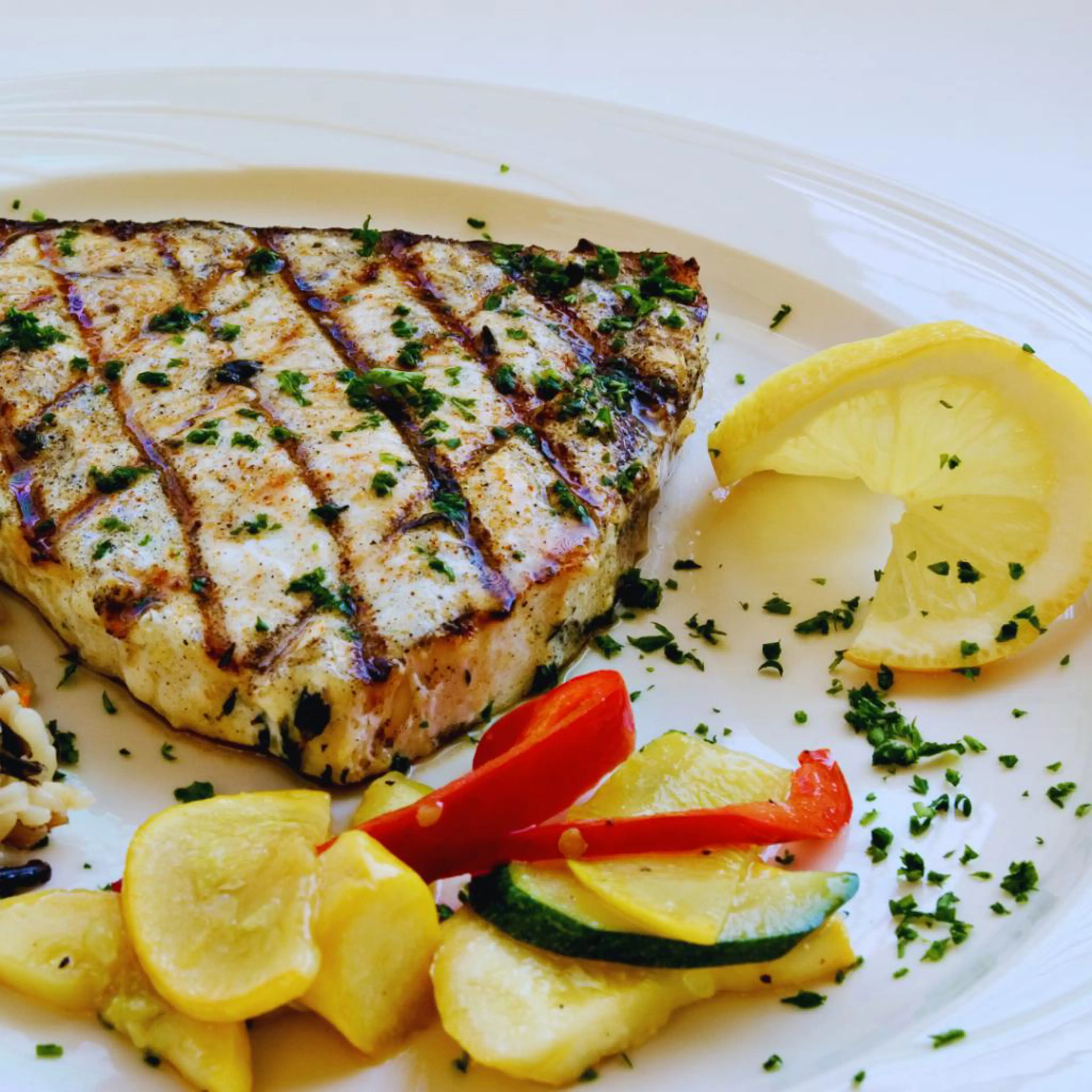
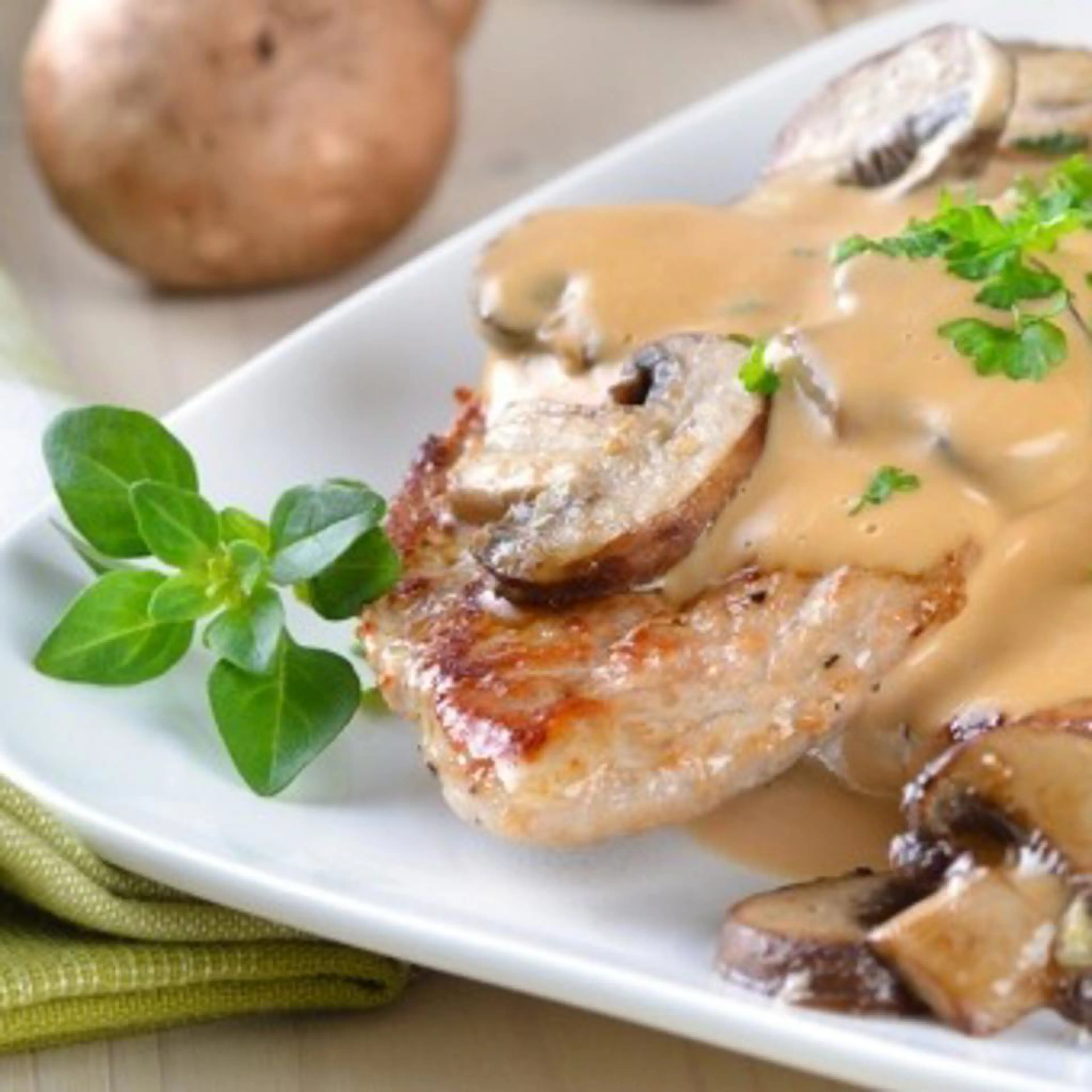
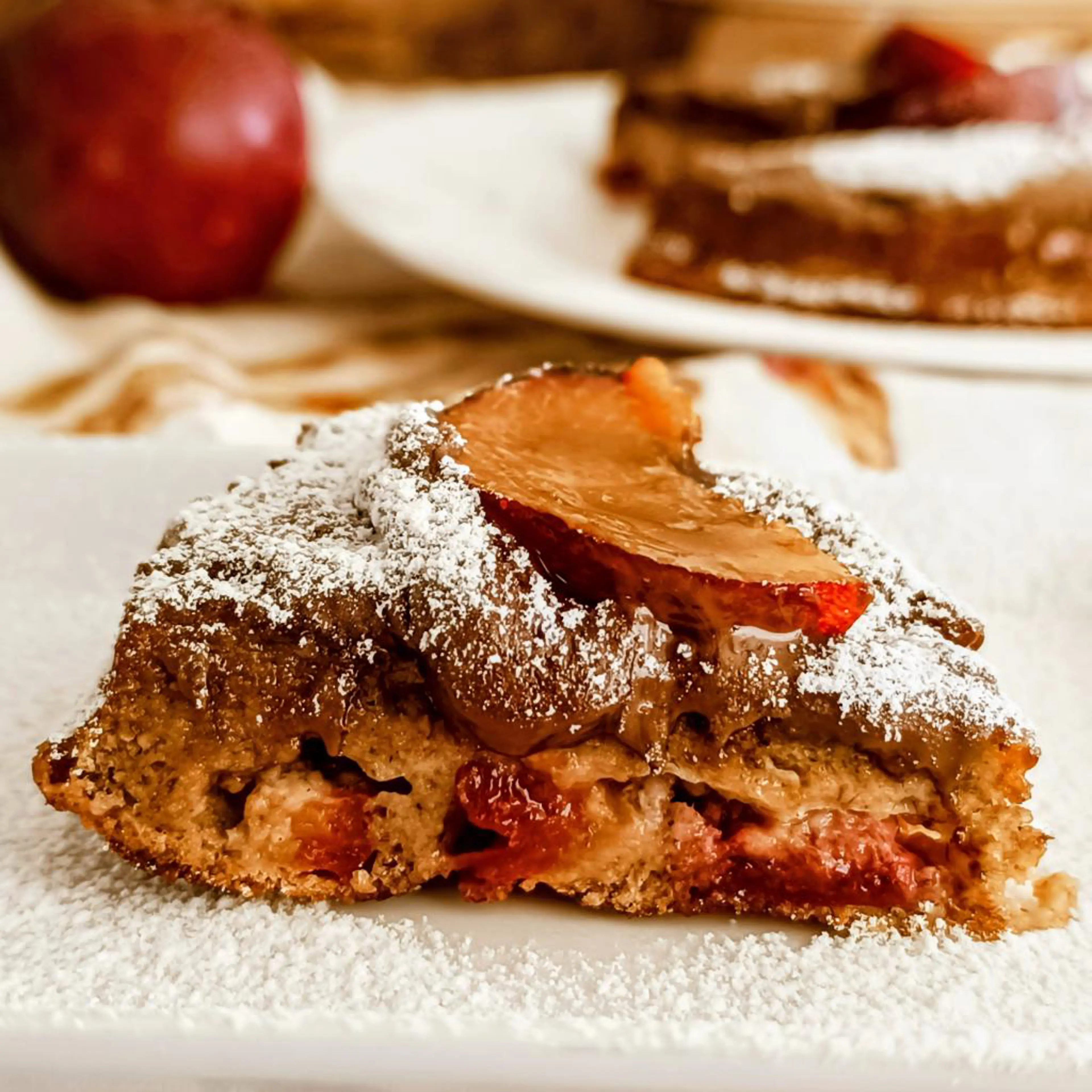
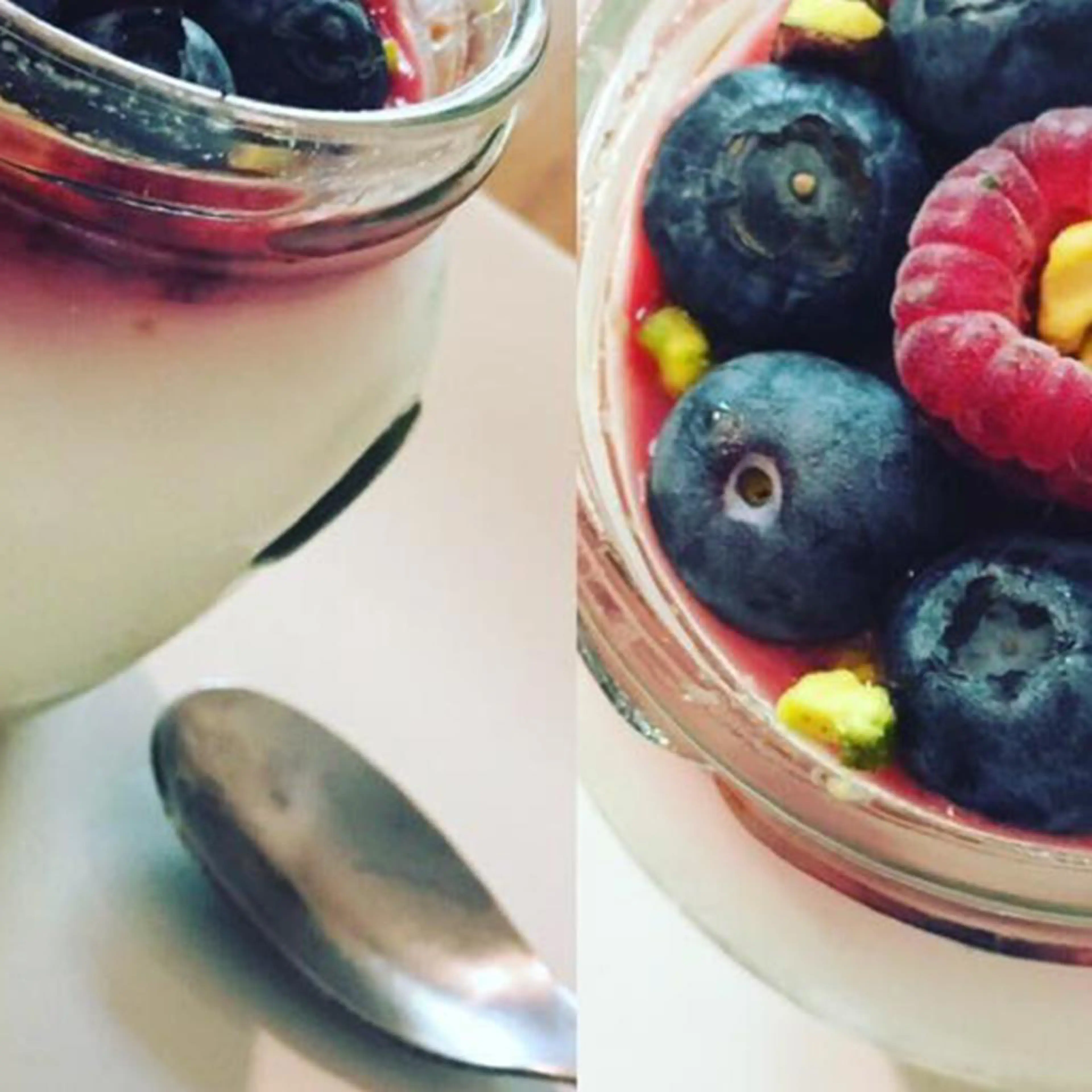
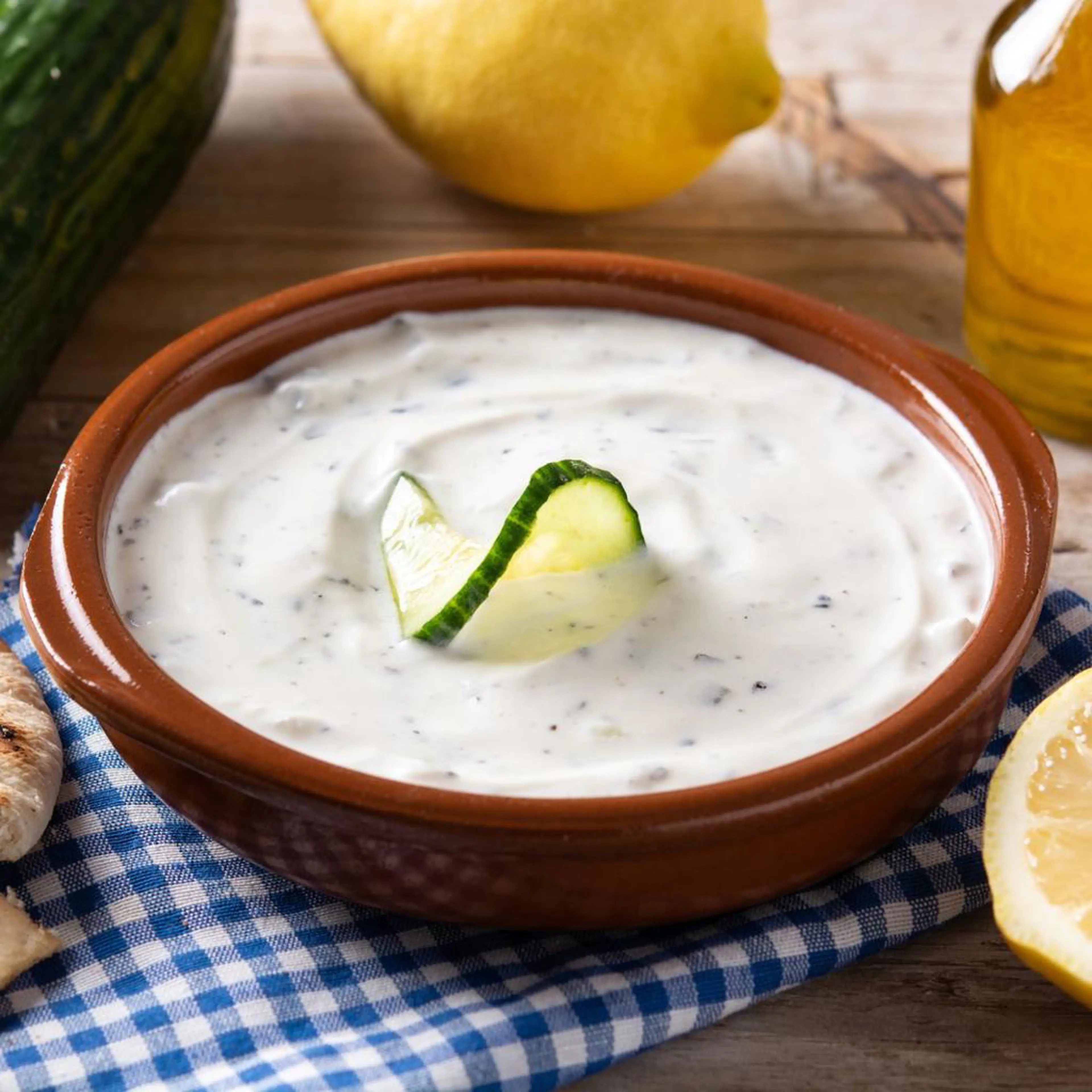
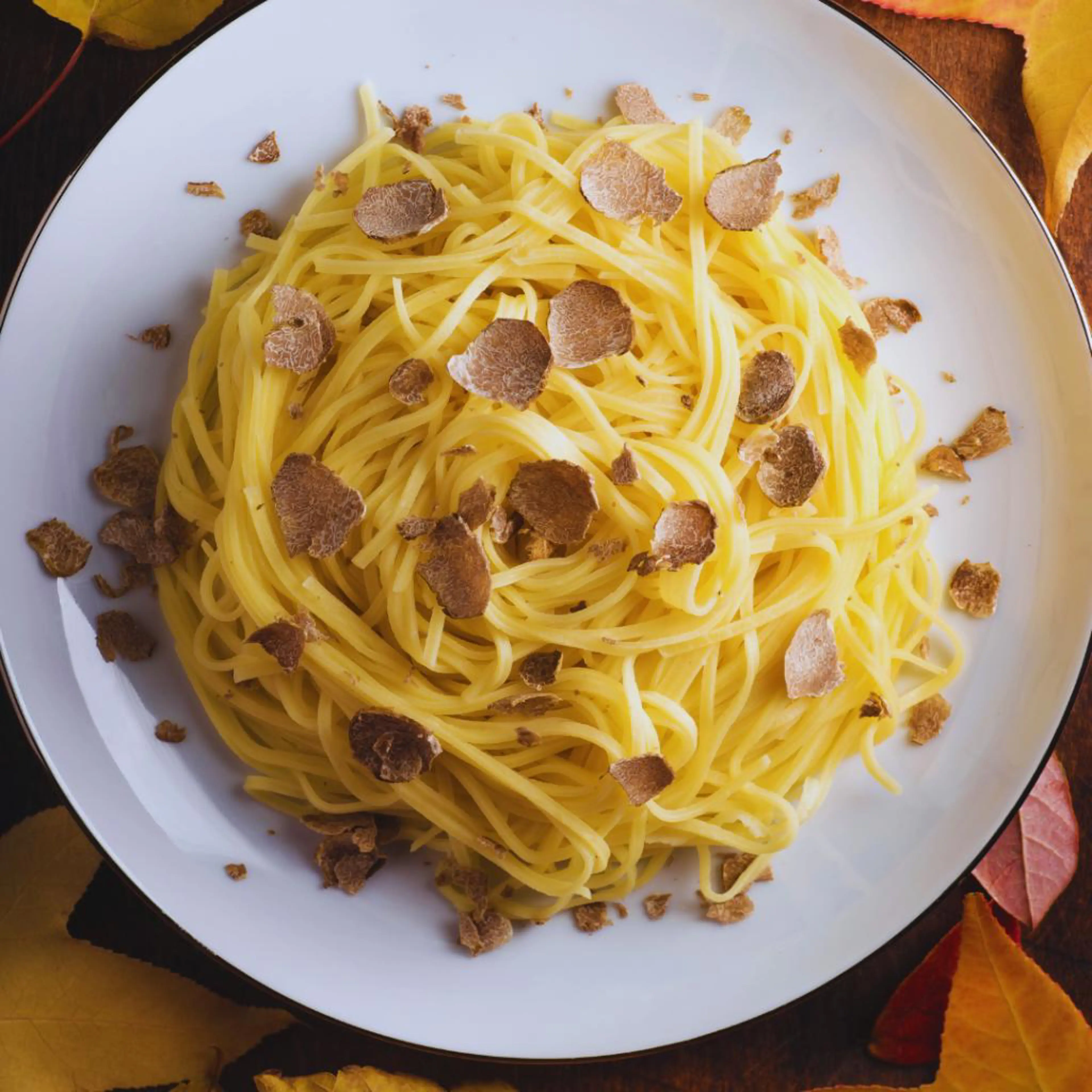
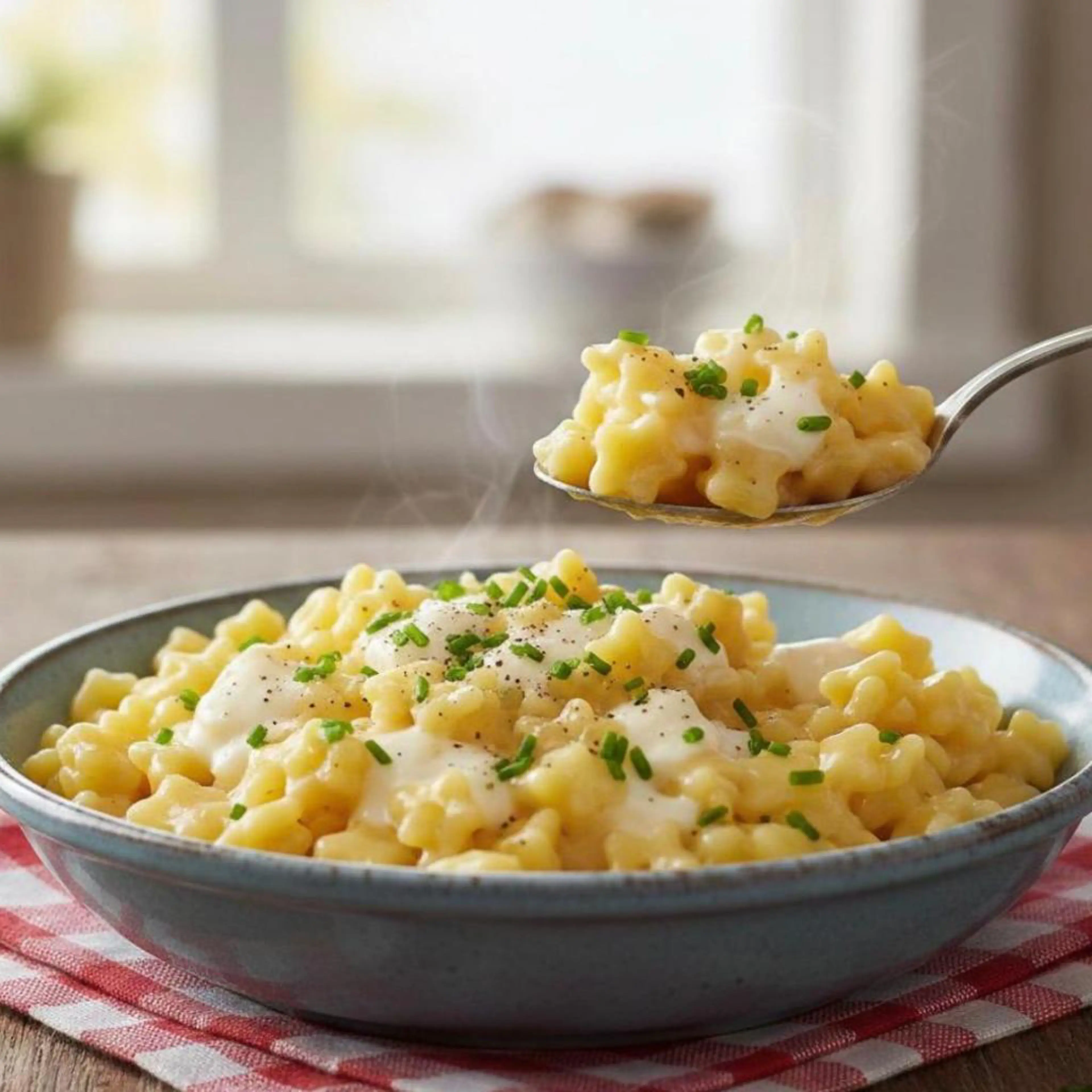
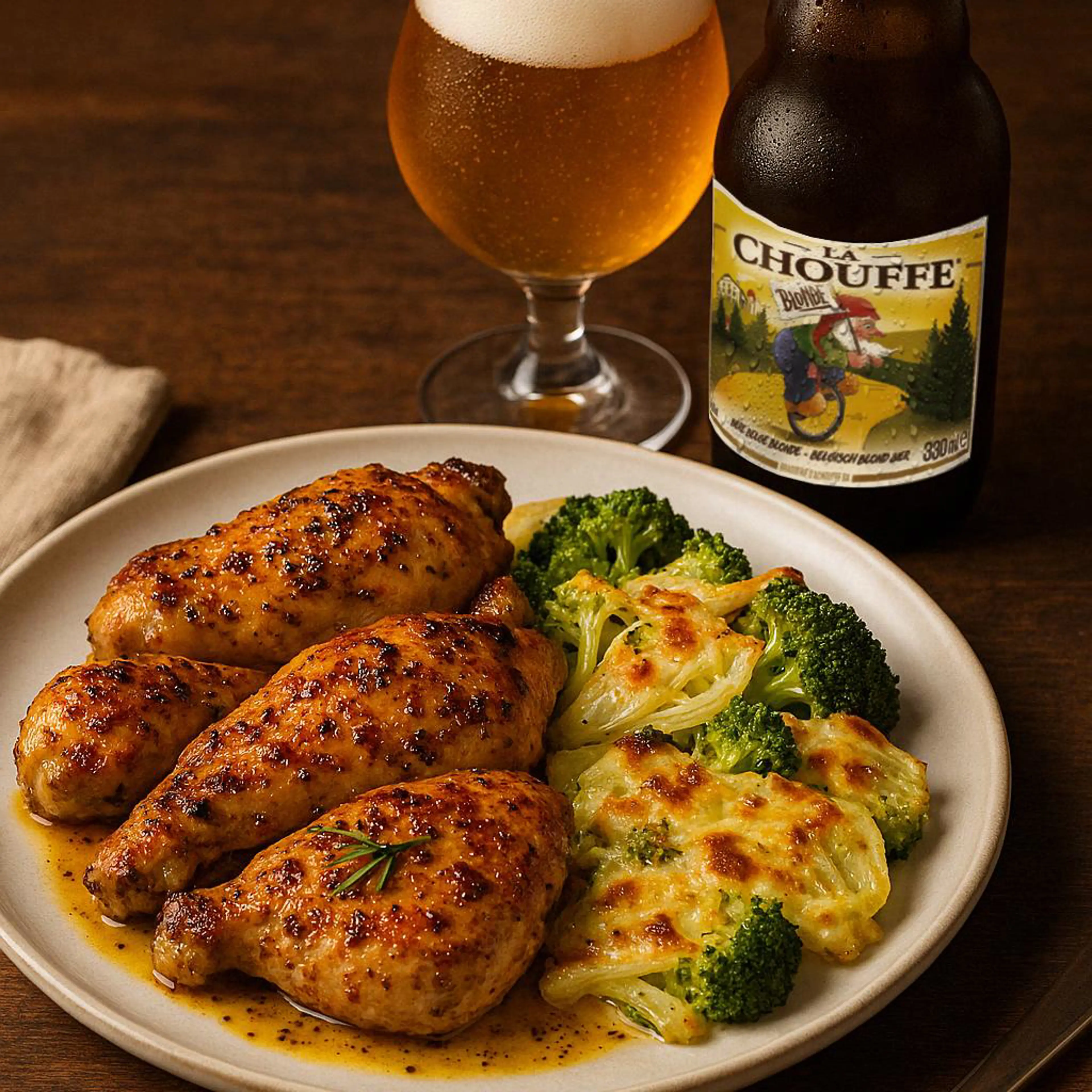
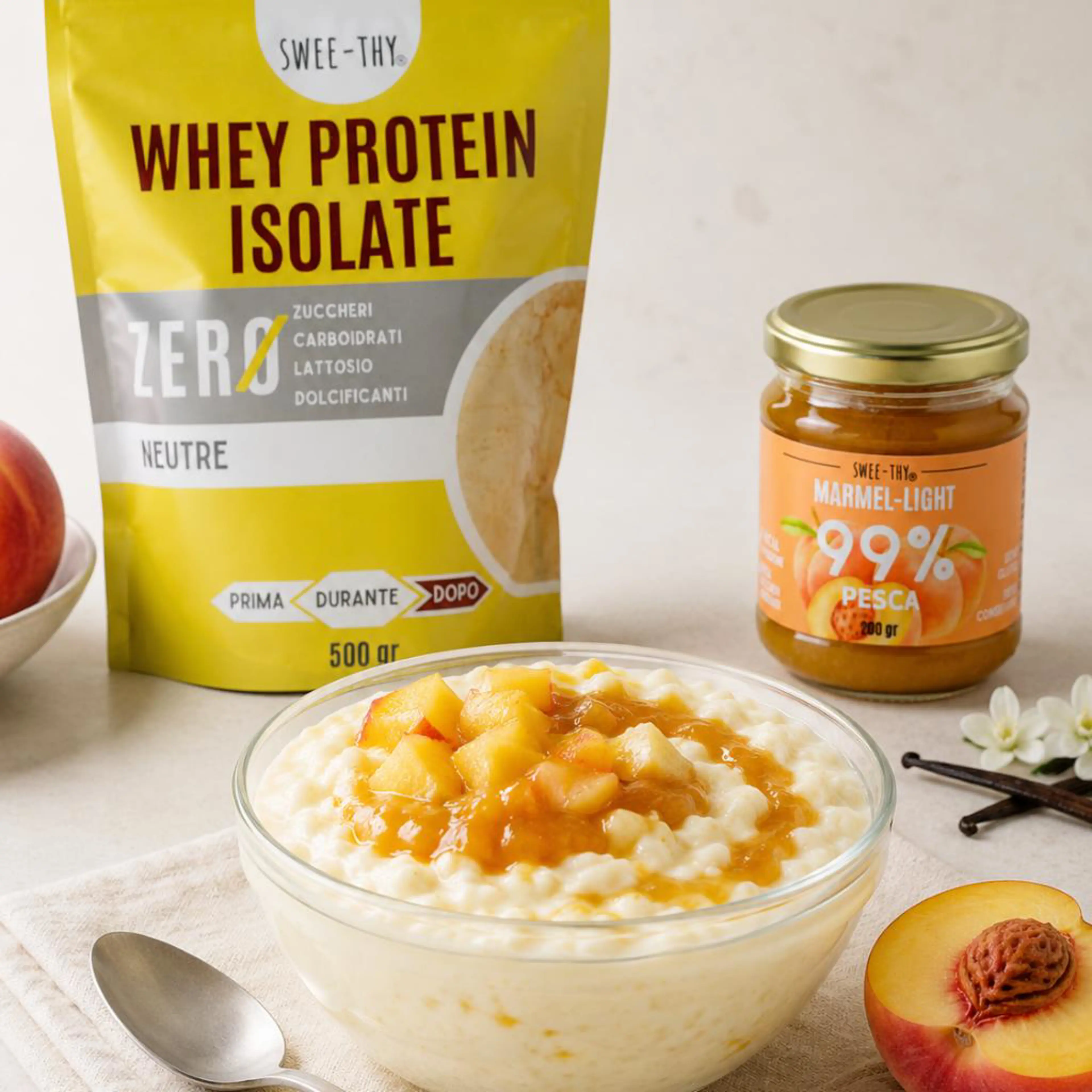
No need to worry: there are still many and varied safe recipes for those with an allergy or sensitivity to this metal. For example, soups based on fresh vegetables, risottos made with white rice, or lean meat dishes cooked in the oven are excellent choices. Do you need some advice on combining these ingredients in a creative and tasty way? On Tuduu you'll find lots of ideas and dishes designed for you by our expert food creators 😉
We couldn't find any recipes matching your search criteria. Try modifying the filters