Vegetarian diet: truths, myths and advice from great chefs
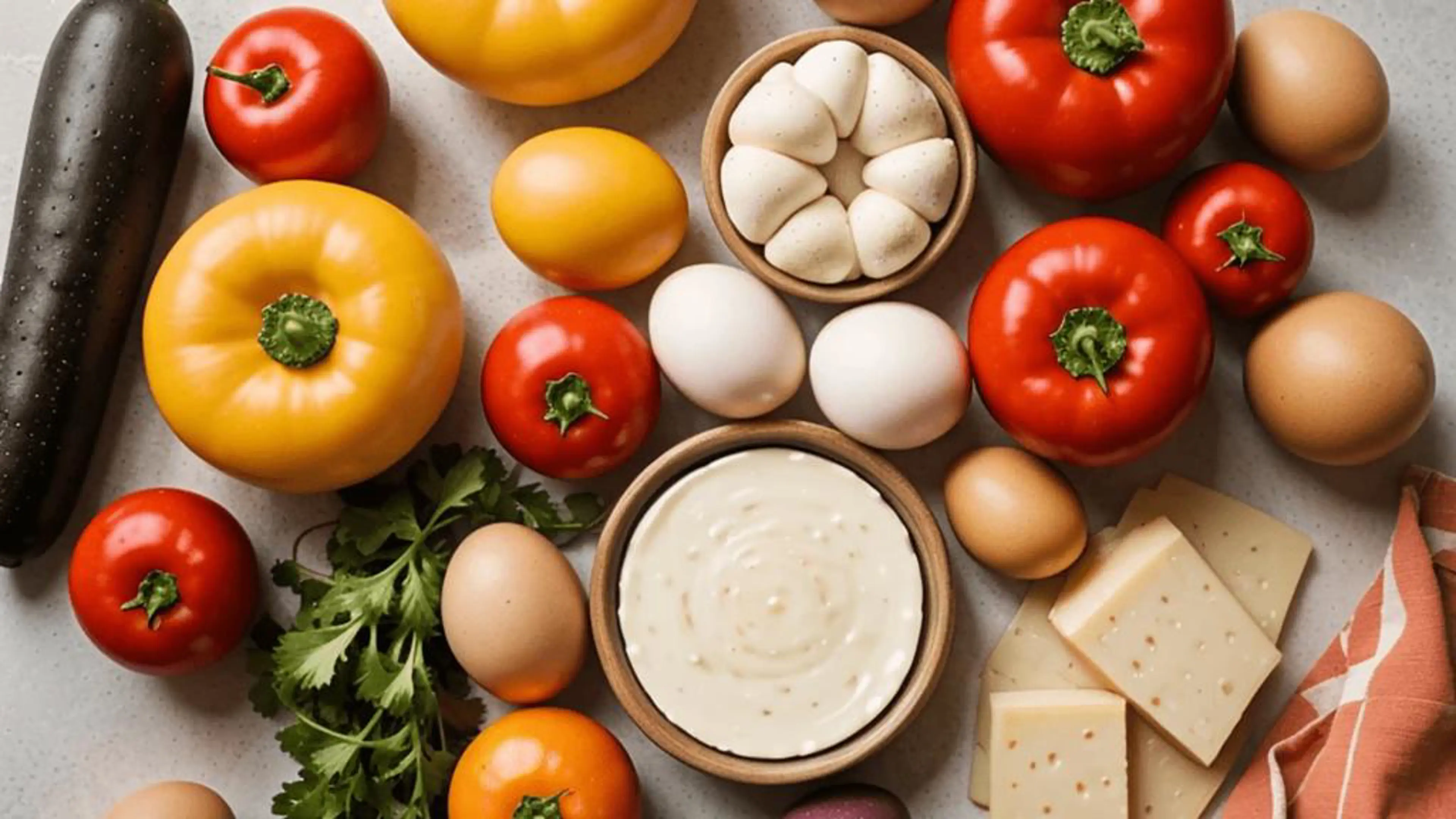
The vegetarian diet is an eating pattern that excludes meat and fish, but includes plant-based foods such as fruit, vegetables, grains, legumes and normally also animal-derived products such as eggs and cheese. People who define themselves as vegetarian usually follow a lacto-ovo-vegetarian diet, which allows the consumption of dairy products and eggs. There are also lacto-vegetarian variants, which exclude eggs but allow dairy products, and ovo-vegetarian variants, which allow eggs but not dairy products. There are also more restrictive patterns, such as the vegan diet, which also excludes all animal-derived products, including honey and gelatine, but in common usage they are not defined as vegetarian. The proliferation of diets with different nuances can nevertheless cause confusion, so it is always best to ask dinner guests for details or explain your requirements to the restaurant owner.
The vegetarian diet is growing worldwide, both for ethical and environmental reasons and for health reasons. According to Eurispes 2023 data, around 7.5% of the Italian population defines itself as vegetarian, while vegans account for 2.4%. In Europe, the countries with the highest percentage of vegetarians are Germany, the United Kingdom and Sweden, while globally India has the highest number of vegetarians, with around 30–40% of the population following this dietary pattern for cultural and religious reasons.
Numerous well-conducted, documented and peer-reviewed studies clearly indicate that a well-balanced vegetarian diet provides many benefits, especially compared with so-called Westernised diets, which contain too much animal protein and consequently increase several health risks. The advantages of a vegetarian diet include a reduced risk of cardiovascular disease, hypertension, type 2 diabetes and certain types of cancer. In addition, a fibre-rich diet supports intestinal health and weight control. However, as with any diet more restrictive than average, it is important to pay attention to nutritional balance with the help of experts. Fondazione Veronesi, created by the renowned oncologist and vegetarian Umberto Veronesi, has dedicated a free handbook to the subject. It is clear and well documented and dispels any doubts about the value of this choice for people and the environment.
Vegetarian diets provide significant environmental benefits, since they consume fewer resources than diets that include meat and fish. Compared with a traditional diet, they can reduce water consumption by up to 50% and generate only one quarter of greenhouse-gas emissions, thus contributing to the wellbeing of both people and the planet. As explained in this article in Vanity Fair, which is extensively documented, “reducing our meat consumption is the single act through which we could contribute most to saving the environment and improving the climate. Meat and dairy products provide only 18% of calories while using 83% of agricultural land and producing 60% of agriculture’s greenhouse-gas emissions, more than all transport, including ships, lorries and aeroplanes” (among the various available sources: Science). Obviously, this does not mean that attention should not also be paid to other foods with a very high environmental impact despite being plant-based, such as avocado.
One of the most widespread myths is that a vegetarian diet does not provide enough protein, but if, as noted, eggs and dairy products are eaten together with all the other plant-based protein sources, this risk does not exist. Another myth concerns supposed physical weakness: many high-level athletes follow vegetarian diets without any drop in performance. Examples include tennis champion Novak Djokovic and F1 driver Lewis Hamilton. It is equally true, however, that this is not a healthier diet if treated superficially or as a licence to eat other unhealthy foods. If, for example, many ultra-processed and nutrient-poor foods are eaten, the diet becomes unbalanced just like an omnivorous diet.
Vegetarianism has ancient roots and has been practised in different cultures for religious, ethical and philosophical reasons.
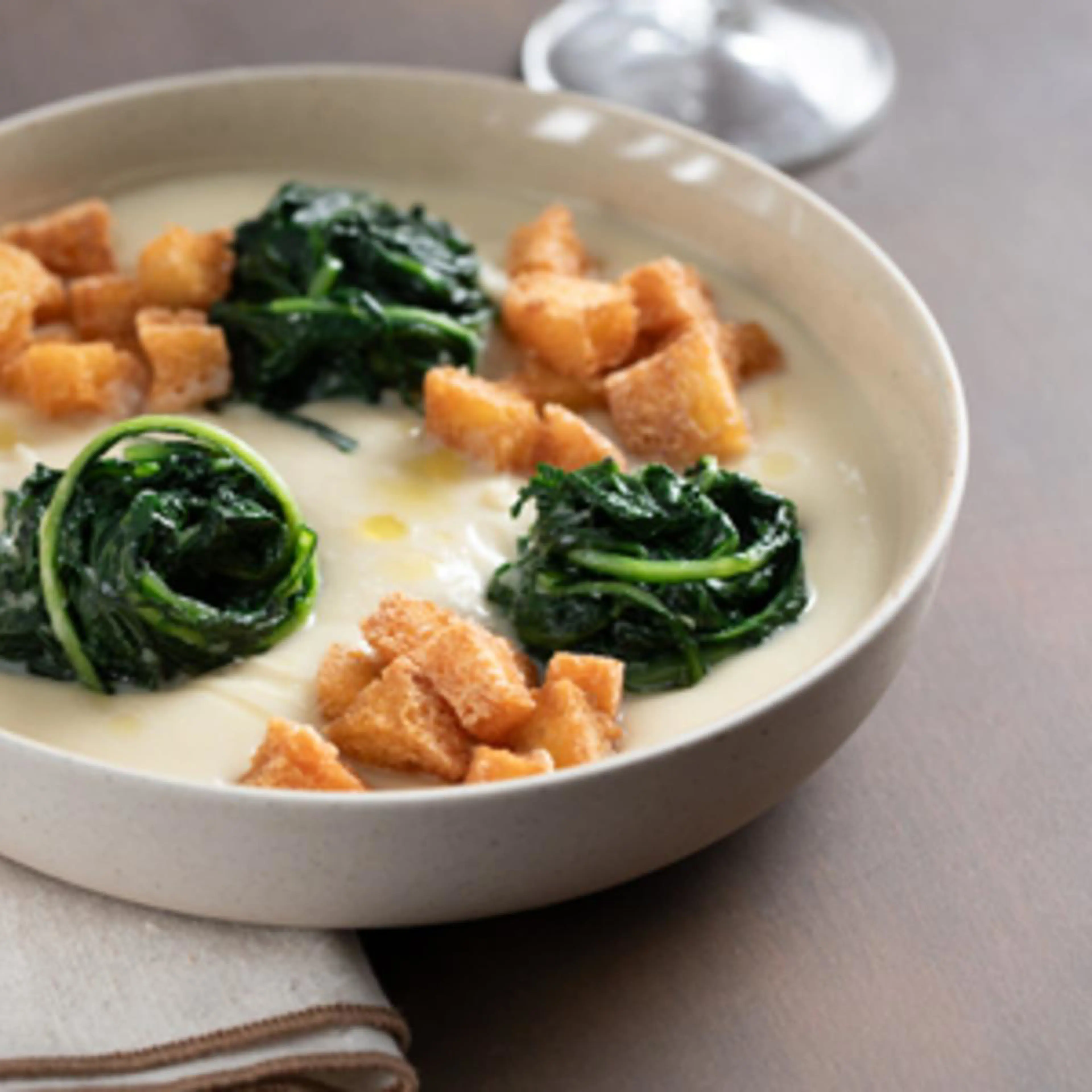
Vegetarian cooking is not complex at all. In fact, many traditional dishes from Italian and Mediterranean regional cuisine are vegetarian. There is also starred vegetarian dining, such as Joia in Milan, and many well-known chefs have good advice on the subject. Here are some:
1. Yotam Ottolenghi – chef and cookbook author specialising in vegetarian and Middle Eastern cuisine: “The secret of vegetarian cooking is balancing flavours: sweet, salty, sour and bitter must be in harmony. Spices and fresh herbs can transform even the simplest dish.”
2. Alain Ducasse – French Michelin-starred chef and promoter of sustainable cuisinee: “Vegetables are no longer a side dish, but the heart of the plate. Vegetarian cuisine is an explosion of colours, aromas and textures offering endless possibilities.”
3. Massimo Bottura – Italian three-Michelin-starred chef of Osteria Francescana: “Vegetables have a precise seasonality and must be respected. Using seasonal products guarantees maximum flavour and nutritional value.”
4. Jamie Oliver – British chef and communicator of healthy cooking: “Vegetables are incredible. If treated with respect and cooked carefully, they can provide more satisfaction than any piece of meat.”
5. René Redzepi – chef at Noma and pioneer of Nordic cuisine: “Fermentation, smoking and marinating are perfect techniques for enhancing the flavour of vegetables and turning them into surprising ingredients.”
Would you like to put this advice into practice or experiment with new vegetarian dishes? On Tuduu you will find many, created by our expert food creators! 😉
We couldn't find any recipes matching your search criteria. Try modifying the filters